
A useful UK casino review does more than list games or repeat a welcome offer. It explains how a site’s game selection, payout terms, payment options and licence affect a player’s experience, then makes those details easy to compare. For readers weighing several casinos, clear evidence matters more than promotional language: bonus wagering rules, withdrawal conditions and responsible gambling tools can change the value of an offer. Comparing trusted non gamstop casinos uk with those criteria can help readers assess how their terms and safeguards differ. This guide outlines what to look for in a review and how to use the information to make a measured, informed choice.
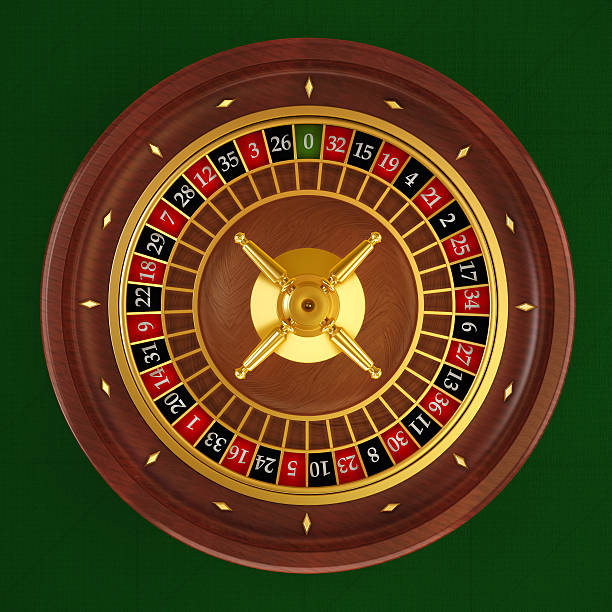
What players need to understand before comparing UK casino reviews
A casino review is most valuable when it evaluates the whole experience rather than treating the number of games as a verdict. Slots, table games and live dealer titles may differ in availability, rules, betting ranges and return-to-player information. A useful assessment identifies those differences and explains who might find them relevant. It should also distinguish between details verified by the reviewer and claims supplied by the operator, so readers can judge the evidence behind each conclusion instead of relying on a single score.
Payout comparisons need the same care. “Fast withdrawals” is not a meaningful guarantee unless a review explains processing times, identity checks, supported payment methods and possible restrictions. Bonus terms matter too: wagering requirements, eligible games, maximum stakes and expiry dates can affect whether promotional funds are practical to use. Reviews that show these conditions alongside ordinary cashier information help readers compare like with like. They should also remind players to check current terms, because offers and policies can change after publication.
How to compare casino games and payouts step by step
Use a consistent checklist when reading reviews. Comparing the same features across each casino makes differences easier to spot and reduces the chance that a prominent promotion will overshadow less visible conditions.
- Check the licence: Identify the regulator named in the review and confirm that the licence details relate to the casino operator serving UK customers.
- Assess the games: Look for specific information on slots, table games and live dealer options, including variety, game rules and relevant play limits.
- Read the payout terms: Compare withdrawal methods, processing stages, verification requirements, limits and any fees disclosed by the casino.
- Calculate bonus conditions: Review wagering rules, eligible games, maximum bet limits and deadlines before assigning value to a welcome offer.
- Compare support and safeguards: Check customer service access and the availability of deposit limits, time-outs and self-exclusion tools.
- Consistent criteria make casino rankings more meaningful.
- Payment details clarify what “quick cash-out” claims actually mean.
- Bonus rules help separate headline value from usable value.
- Responsible gambling tools belong in every comparison.
Practical details that make casino reviews easier to use
Strong reviews turn scattered terms into practical comparisons without implying that a particular result is guaranteed. A page comparing nine casino brands, for example, can help readers scan review scores, payment methods, licence information, bonus rules and public feedback in one place. The value lies in showing how each point was assessed and when it was checked. A score such as Paddy Power’s 4.8 out of 5 is more informative when accompanied by the criteria behind it, rather than presented as a substitute for reading the underlying review.
Specific offer examples also show why conditions deserve attention. An offer described as 100 free spins plus 300 LadBucks may sound straightforward, but a careful review should explain applicable eligibility rules, expiry dates and what the rewards can be used for. If a £1 cash reward requires a £20 bet, that condition should appear close to the promotional claim, not hidden in a separate note. Such context lets readers judge whether an offer suits their preferences and budget. It also prevents bonuses from distorting comparisons of games, payments and everyday casino terms.
- Review date: Check when the information was last verified; terms can change.
- Scoring method: Look for clear criteria covering games, payments, terms and safeguards.
- Withdrawal detail: Separate the casino’s processing time from the payment provider’s transfer time.
- Offer conditions: Read the full rules, not just the headline reward.
Practical comparisons should also account for personal priorities. One player may care most about live dealer games, while another may focus on a familiar payment method or clear withdrawal limits. Reviews are most useful when they explain trade-offs instead of declaring one casino universally suitable. Check the operator’s current terms directly before opening an account or claiming an offer, and use the review as a guide to the questions worth asking.
Key benefits of a well-structured casino review
Well-organised UK casino reviews save time by bringing important information together while preserving enough detail to support an independent decision. Rather than presenting a ranking as a final answer, a good review explains why a casino received its score and where its strengths or limitations lie. That approach is especially helpful when comparing welcome bonuses, game libraries and withdrawal policies, which can appear attractive in isolation but work differently in practice. A balanced review also recognises that a large catalogue does not necessarily mean every game is available to every account or suitable for every player.
- Clear game comparisons: Descriptions help readers distinguish game types, features and available options.
- Transparent payout information: Cashier rules and verification steps make withdrawal expectations easier to understand.
- Context for bonuses: Full conditions reveal the limits behind promotional claims.
- Useful rankings: Scores backed by published criteria support more thoughtful comparisons.
- Responsible play support: Information on limits and time-outs keeps player safety in view.
Another benefit is the ability to notice changes over time. A review with a visible verification date gives readers a reason to confirm whether payment methods, promotions or terms remain current. Public feedback can add context, but it should not replace a review of the casino’s official rules or be treated as proof that every player will have the same experience. The strongest comparison combines dated checks, clear explanations and sensible cautions, so readers can use the information without confusing editorial assessment with a promise of results.
Trust, licensing and safer gambling checks
Trustworthy casino reviews explain how licensing relates to the operator and the market being served. Readers should be able to identify the named regulator, understand that a review score is not a licence, and verify relevant details through official sources where possible. Reviews should also avoid implying that a casino is safe simply because it is popular or highly rated. Security information, account verification, complaints routes and published terms all contribute to a fuller assessment. If a review does not explain its evidence or acknowledge uncertainty, treat its claims cautiously and consult the operator’s own current documentation.
Responsible gambling information is equally important to a fair comparison. Look for clear descriptions of deposit limits, session reminders, time-outs and self-exclusion, as well as signposting to independent support where appropriate. These tools do not remove the risks of gambling, and a bonus or game feature should never be framed as a way to recover losses. Set a budget you can afford to lose, avoid borrowing to gamble, and stop if play is causing stress or financial harm. A review that gives these safeguards appropriate attention is more useful than one focused only on promotions and game counts.

Choosing a casino review that supports your decision
Choose reviews that match the questions you actually need answered. If game choice is your priority, seek details about categories, live play and any restrictions. If payouts matter most, compare supported payment methods, withdrawal limits, verification procedures and realistic processing stages. For a welcome offer, read the full terms before deciding whether it has value for you. A ranking can help narrow the field, but the reasoning behind the ranking should remain visible. Reviewer expertise and a clear update date add context, yet neither removes the need to check current casino rules directly.
Ultimately, a useful review makes comparison clearer without making the decision for you. Give more weight to specific, verifiable details than to superlatives, and consider games, payouts, licensing, bonus conditions and responsible gambling tools together. Recheck any terms that may have changed since the review was published, then decide whether the casino fits your preferences and budget. Gambling is for adults and involves financial risk; no game, bonus or payout comparison can promise a win. If you choose to play, set firm limits and use the available safeguards.
